
What happens when your career interests don't fit neatly into one box?
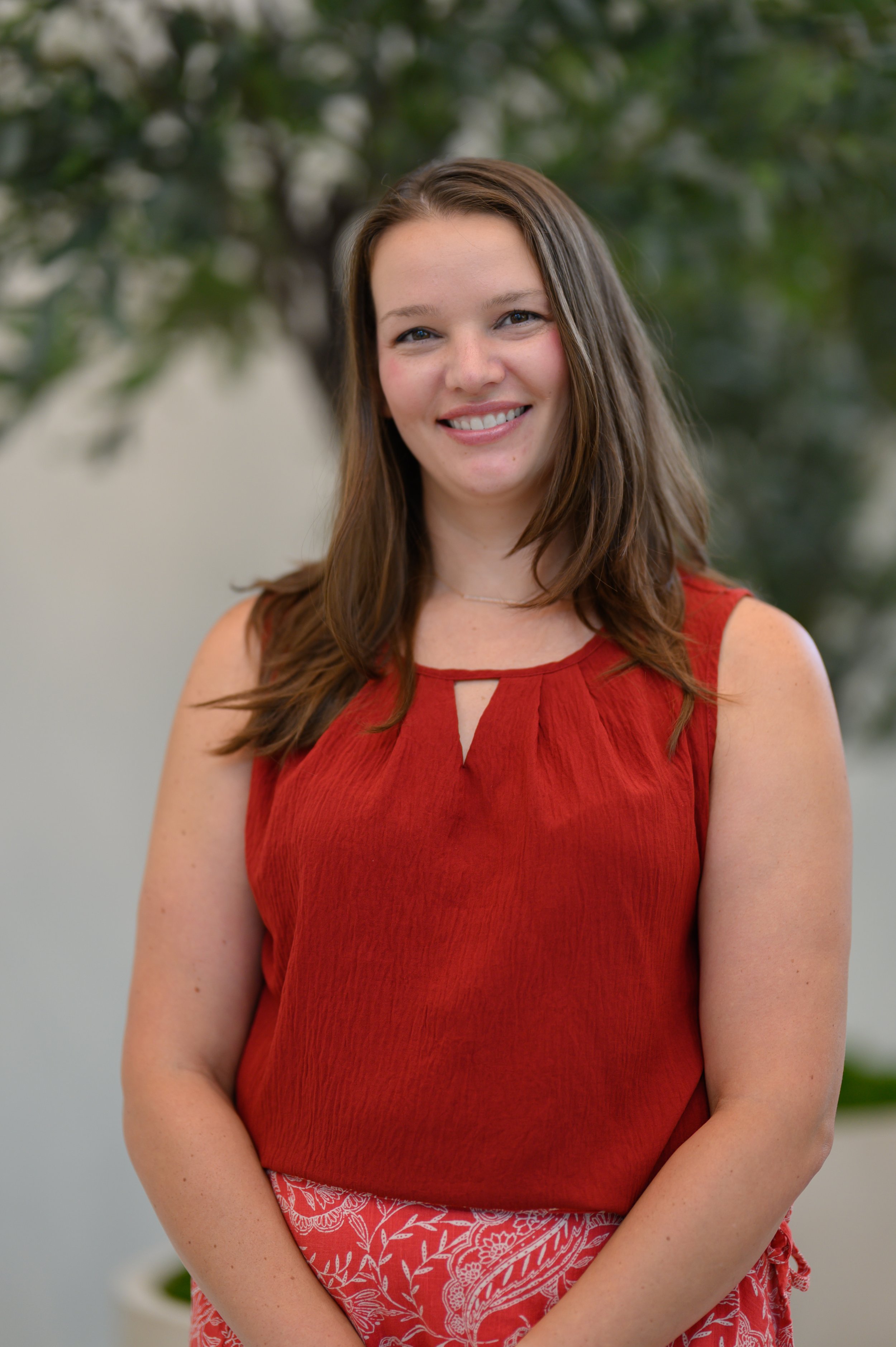
For Kelsey Barrett, now Regional Director of Senior Living and Healthcare at Cambria, the answer has been to follow her curiosity, build meaningful relationships and stay open to opportunities—even when the path forward isn't obvious.
Her career has taken her from interior design to sustainability, sales and leadership.
Along the way, she's learned that professional success isn't always about finding the perfect job. Sometimes it's about recognizing what energizes you, connecting the dots between your experiences and being persistent enough to create opportunities of your own.
We caught up with Kelsey to talk about the lessons she's learned, the value of showing up and why a career doesn't have to follow a straight line to be fulfilling.
You've always been curious about different things. How do you know when an interest is worth pursuing professionally?
I don't know that the two can always be separated. I tend to think about work and life as an integration rather than a balance. I naturally bring my personal interests, goals and curiosity into my professional life.
If something genuinely interests me, I want to understand it, ask questions and see where it could lead.
That curiosity has opened a lot of doors in my career. Sometimes an interest becomes a professional focus, and sometimes it simply makes me a more well-rounded person and professional. I don't necessarily need to know, which one it will be when I start exploring it.
Sustainability has become an important part of your professional brand. How did you turn a personal passion into career expertise?
Sustainability has always been intertwined with my life, so it never really felt like a separate professional interest I decided to pursue.
It started with simple things, like the Scouts' philosophy of leaving a space better than you found it, separating recycling, being mindful of what I was consuming and understanding that our everyday choices have an impact.
Along the way, I realized that the value wasn't just in knowing the answers. It was in being able to connect the dots and help other people make better, more informed decisions.
Mentors have played an important role in your career. What advice would you give someone looking to build those relationships?
Allow relationships to happen organically and keep an open mind.
One of the biggest things I've learned is that a mentor doesn't necessarily have to be someone with decades of experience more than your own. They might be further along in their career, or they might work in an entirely different industry and offer a perspective you simply don't have.
Some of my best mentor relationships have started through networking events, mentorship programs, professional associations or simply saying yes to meeting someone new.
From there, it's about being genuinely curious and intentional. Ask questions, listen, follow up and don't be afraid to tell someone what you're working toward or where you're trying to grow.
People can't always help if they don't know what you're looking for.
You studied interior design but found your place in sales. What helped you recognize that direction was right for you?
The turning point was taking a sales class at WCTC. After that, I was fairly sure I wanted to end up on the sales side, but I also knew that having design experience would serve me well.
Understanding the design and construction processes is incredibly important to being a good sales representative. You have to understand what your customers are trying to accomplish, the challenges they're navigating and how to help bring their vision to life.
What I discovered about myself is that I really love the education side of sales. I enjoy sharing knowledge, solving problems, connecting people with resources and helping someone get from an idea to a finished space.
I also love bringing people together. Sales gives me the opportunity to do that in a way that design alone didn't necessarily provide.
A big part of what I enjoy now is creating events that bring people together and provide opportunities for education. Whether it's a CEU, a product conversation, a factory tour or simply getting people around a table, I love creating opportunities for people to learn from each other.
You've landed opportunities that didn't initially exist. What have those experiences taught you about persistence?
A coworker of mine often says, "Persistence beats resistance," and that has really stuck with me.
When you take the time to define what success looks like, you can start creating your own path to get there. It may not be a straight line, and it may not happen on the timeline you imagined, but that doesn't mean you shouldn't pursue it.
I've actually been in two roles that weren't specifically open when I first reached out. In both cases, I had to show my potential, demonstrate my dedication and make the case for how I could add value. Ultimately, both opportunities became a reality.
I think sometimes we put too much emphasis on an open job posting or an obvious path into a company. A foot in the door can be just as valuable—a conversation, a connection, a project or a mentor who can help you understand what experience you need.
Once you know where you want to go, you can start looking for those stepping stones.
For me, persistence isn't about pushing a door that isn't ready to open. It's about continuing to find ways to move toward the goal, staying open to a different path and being willing to show people what I can bring to the table.
Professional involvement has been a constant throughout your career. What would you tell someone wondering whether it's worth the time?
Just show up.
One of the best compliments I receive, and one I hear fairly often, is, "I see you everywhere." And honestly, I think there's a lot of value in that.
When I moved to Minnesota, I didn't know anyone. Getting involved in professional organizations gave me a way to connect with the design community, but it became so much more than networking.
By consistently showing up, I built friendships, found mentors, became part of the community and built rapport with accounts in a way that wouldn't have happened through a sales meeting alone.
You don't have to start by taking on a huge leadership role. Go to the event. Volunteer for something small. Join a committee. Offer to help.
The more you get involved, the more opportunities naturally present themselves, and you may find yourself contributing in ways you never expected.
Professional involvement absolutely takes time, but the relationships and opportunities often extend well beyond your day-to-day job. Some of the most meaningful parts of my career have come from simply being willing to show up, participate and be part of something bigger than myself.
The Takeaway
Kelsey's story reminds us that curiosity can be a career advantage, that education doesn't have to define your job title, and that meaningful relationships often open doors we didn't know existed.
Perhaps most importantly, you don't have to wait for the perfect opportunity to appear. Keep learning, keep connecting, make your interests known and be willing to show up. You never know which conversation, experience or unexpected turn might lead to your next chapter.
Learn more about Kelsey Barrett’s story in Career Mapping: Curiosity Creates Opportunity.